Spain 1 0 Argentina: How Control and Depth Won the 2026 World Cup Final and A tribute to the superstars
Introduction
A tactical review of Spain’s 2026 World Cup final victory, examining how control, squad depth and discipline decided an attritional contest against Argentina. A tribute to the superstars.
Post-Match Review
Spain’s Control Finally Breaks Argentina in an Extra Time World Cup Final
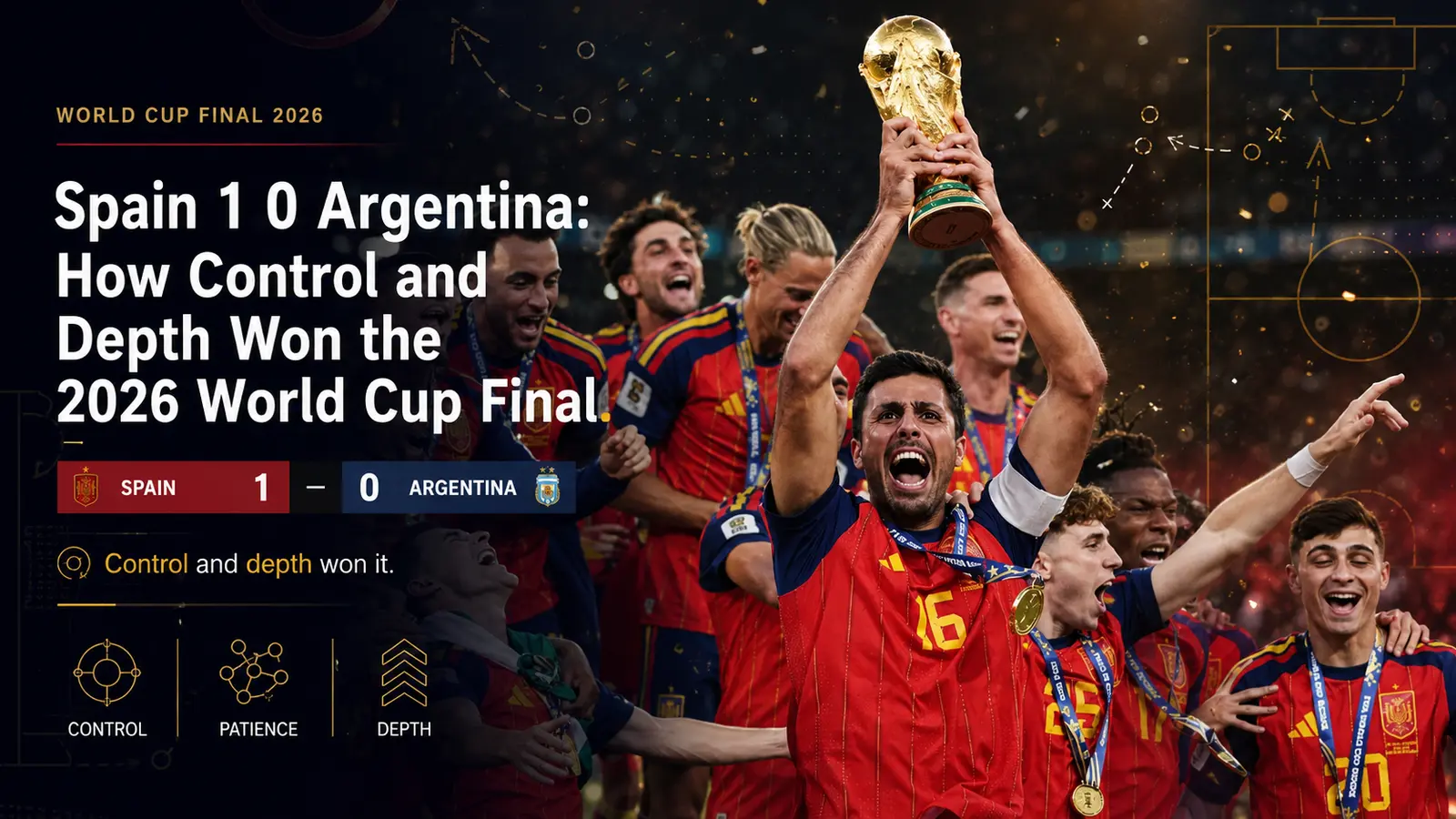
Spain’s 1-0 victory over Argentina was not a story of effortless dominance. It was a demonstration of how a deeper, more disciplined side can keep applying pressure until control finally becomes a goal.
Ferran Torres scored the decisive goal in the 106th minute, converting after Nico Williams headed the ball into his path. The substitute’s finish secured Spain’s second World Cup, 16 years after the country’s first triumph in 2010.
The scoreboard remained blank for more than 100 minutes, but the underlying balance was emphatic. Spain finished with 20 attempts and 12 on target; Argentina managed two attempts and did not test Unai Simón with a shot on target. The approximate expected-goals comparison, 1.94 to 0.20, reinforced what the match had shown: Argentina kept the score level for a long time without establishing a meaningful attacking threat.
Two very different forms of control
Spain attempted to govern the final through possession, pressure and midfield order. Rodri provided the central reference point, helping the team circulate the ball and sustain attacks without losing its defensive balance.
Argentina pursued a different kind of control. Lionel Scaloni’s side compressed space, increased the physical intensity and tried to turn a technical contest into a fragmented battle of duels, stoppages and emotional reactions. That approach was understandable against a side with Spain’s technical range, but it carried an obvious disciplinary risk.
Spain occasionally contributed to the stalemate by searching for one combination too many around the penalty area. Their preference for creating a clean opening reduced speculative shooting, yet it also allowed Argentina to remain within one transition, set piece or mistake of changing the final.
Depth changed the contest
Luis de la Fuente could alter the game without abandoning Spain’s identity. Ferran and Pedri entered in the 62nd minute, while Mikel Merino and Nico Williams followed in the 75th. Eric García and Martín Zubimendi were introduced in extra time.
Those changes gave Spain fresh movement and technical security as Argentina’s physical resources declined. Ferran’s goal was the clearest expression of that advantage: one substitute supplied the headed pass and another completed the move.
Argentina entered the final with one fewer full day of recovery and had already played extra time twice during the knockout rounds. This final became their third extra-time match of the tournament. Fatigue did not single-handedly decide the contest, but it made Spain’s ability to refresh multiple positions increasingly important.
Discipline becomes decisive
Enzo Fernández was booked in the 82nd minute for persistent protest and sarcastic applause. In the third minute of second-half stoppage time, he arrived late and caught Pau Cubarsí after the defender had cleared the ball. The second yellow left Argentina with ten players before extra time.
Scaloni responded in the 102nd minute by replacing Julián Álvarez with centre-back Marcos Senesi. With several natural defenders now on the pitch, Argentina’s priority became survival rather than sustained counter-attacking threat.
Spain appeared to score through Nico Williams in extra time, only for the goal to be disallowed because Merino had fouled Nicolás Otamendi earlier in the sequence. Rather than losing composure, Spain continued to attack and found the legitimate breakthrough through Ferran.
Leandro Paredes was also sent off in the official match record following the confrontation at the end of the game. The ugly conclusion underlined the central risk in Argentina’s approach: physical and psychological disruption can narrow a technical gap, but once it crosses the disciplinary boundary, it damages the very structure it was intended to protect.
A title built over years
Spain’s victory reflected more than one strong tournament. De la Fuente entered the national federation’s youth structure in 2013, won European titles with the under-19 and under-21 teams, and later guided the senior side to the Nations League, European Championship and World Cup.
Several important members of the senior team had previously worked within his youth sides. That continuity reduced the usual difficulties of international football, where coaches have limited time to establish collective habits.
Rodri received the tournament’s Golden Ball after completing a competition-record 790 passes. Nineteen-year-old Cubarsí, who played the entire final, was named best young player. Simón won the Golden Glove as Spain conceded only once in eight matches and recorded seven clean sheets.
Spain’s second world title therefore represented the reward for both immediate superiority and long-term planning. Argentina made the contest uncomfortable and uncertain, but Spain possessed more ways to solve it—and enough patience to keep searching until one finally worked.
Team Analysis
Why Spain’s System Was Built to Survive a 120 Minute Final
The simplest explanation for Spain’s World Cup triumph is that they had more of the ball and produced more chances. The more useful explanation is that their structure allowed them to sustain those advantages for 120 minutes.
Rodri gave the team a stable centre
Spain’s attacking talent attracted attention, but Rodri remained the system’s essential reference point. His positioning offered safe passing routes, supported counter-pressing and allowed the players ahead of him to take creative risks.
His tournament-record 790 completed passes illustrate the scale of his involvement, although volume alone does not explain his influence. The deeper value was continuity: Spain could move the ball from one side to the other, recover possession and begin again without allowing frustration to destroy their shape.
That quality mattered in a final designed by Argentina to become increasingly emotional and fragmented.
Control did not always mean penetration
Spain’s 20 attempts and 12 shots on target contrasted sharply with Argentina’s two attempts and zero on target. Even so, the match remained scoreless through 90 minutes.
The delay exposed one weakness within Spain’s otherwise dominant performance. Around the penalty area, they sometimes pursued an extra pass when an earlier shot or more direct action was available. Their commitment to manufacturing high-quality chances helped them avoid wasteful attacks, but it also preserved Argentina’s hopes of forcing penalties or stealing the game through an isolated moment.
For Spain, the next tactical step is not to abandon patient possession. It is to recognise when patience has already created the platform for a decisive action.
The bench preserved the game model
Spain’s substitutions did more than introduce fresh legs. They maintained the technical and positional demands of the system while adding different attacking qualities.
Ferran Torres offered direct movement and penalty-area instinct. Nico Williams brought acceleration against tiring defenders. Pedri, Mikel Merino, Martín Zubimendi and Eric García gave De la Fuente options across midfield and defence without forcing a complete tactical reset.
The winning goal captured that collective depth: Williams headed the ball into Ferran’s path, and the substitute finished in the 106th minute.
Argentina could also change personnel, but their late substitutions increasingly served defensive survival. After Enzo Fernández’s dismissal, the introduction of centre-back Marcos Senesi for Julián Álvarez left Argentina with five natural defenders on the pitch. Spain were still adding ways to win; Argentina were reducing the number of ways they could lose.
Development made depth usable
A long list of talented players does not automatically become a coherent team. Spain’s advantage was that many players had progressed through an interconnected national-team structure.
De la Fuente joined the Spanish federation’s youth system in 2013. He won the 2015 European Under-19 Championship and the 2019 European Under-21 Championship before taking charge of the senior team in December 2022. His subsequent Nations League, European Championship and World Cup titles reflect a pathway in which tactical language and relationships were carried into the senior side.
Spain should not be declared certain to dominate the next decade. International football changes too quickly for that. But their victory over Argentina showed why they are equipped to remain contenders: the team can control matches through structure rather than inspiration alone, and its alternatives strengthen the system instead of merely filling places on the bench.
Player Performance
Ferran Torres Delivered the Finish, but His Movement Made the Difference
Ferran Torres played only from the 62nd minute onward, yet he supplied the action by which the 2026 World Cup final will be remembered.
His 106th-minute goal gave Spain a 1-0 victory over Argentina. Nico Williams headed the ball into Ferran’s path, and the forward converted the opening that Spain’s sustained pressure had finally created.
A substitute suited to the state of the game
Ferran replaced Mikel Oyarzabal with the match still scoreless. The role demanded more than fresh legs. Argentina had defended deep, contested every phase physically and attempted to prevent Spain from establishing a comfortable attacking rhythm.
Against that background, Ferran offered direct movement rather than another player primarily looking to receive in front of the defence. His willingness to attack the penalty area gave Spain a different reference point as fatigue began to create spaces that had not existed earlier.
By extra time, Argentina were down to ten players and had introduced another centre-back. Their defensive line contained numbers, but those players also had to track Spain’s refreshed runners while protecting a wider area with one fewer outfield player.
Ferran’s decisive contribution came from remaining engaged in precisely that environment. Williams’ headed pass still required a forward anticipating where the second ball would fall and arriving ready to finish.
The goal reflected Spain’s collective strength
It is tempting to reduce a final to its scorer, but Ferran’s moment was inseparable from Spain’s wider strategy. De la Fuente had introduced him alongside Pedri and later added Williams, Merino, Zubimendi and Eric García.
Spain’s replacements did not simply protect the original plan. They increased the pressure. That distinction separated the champions from Argentina, whose changes became progressively more defensive after Enzo Fernández’s dismissal.
Ferran therefore became the face of Spain’s depth. He was not required to carry the attack from the opening whistle; he was asked to enter when his movement could become more damaging, maintain the team’s intensity and exploit the spaces produced by more than 100 minutes of accumulated pressure.
The winning finish was an individual achievement. The conditions that made it possible were the product of an entire squad.
Controversy and Talking Points
Argentina’s Red Card Was the Predictable Risk of a High Conflict Strategy
Enzo Fernández’s dismissal was one of the decisive events in Spain’s World Cup final victory, but treating it as an isolated refereeing controversy misses the tactical context.
Argentina were attempting to disrupt a technically superior possession side. They compressed space, challenged aggressively and sought to prevent Spain from settling into a clean rhythm. It was a rational underdog strategy, but only if the aggression remained within the rules.
How Enzo’s dismissal developed
Enzo received his first yellow card in the 82nd minute after continuing to protest a decision and applauding sarcastically. In the third minute of second-half stoppage time, he arrived late and caught Pau Cubarsí after the defender had already cleared the ball. The referee issued a second yellow, reducing Argentina to ten players before extra time.
The second challenge can be discussed in terms of timing and severity, as most major disciplinary decisions can. Yet Enzo’s first booking had already eliminated his margin for another avoidable incident. A player on a yellow card in a final must manage not only tackles but also dissent and emotional reactions.
A collective risk, not merely an individual mistake
Argentina’s approach increased the number of moments in which the referee had to make disciplinary judgments. Leandro Paredes was booked in the 52nd minute after pushing Dani Olmo and was later shown a red card in the official record following the post-match confrontation.
Physical disruption can produce tactical benefits. It can interrupt passing sequences, provoke opponents and slow a match that is moving in the stronger side’s favour. But every additional confrontation increases exposure to yellow cards, suspensions and numerical disadvantage.
Once Enzo was dismissed, Argentina’s plan changed fundamentally. Marcos Senesi replaced Julián Álvarez in the 102nd minute, leaving the side with five natural defenders on the pitch. The objective had shifted from disrupting Spain in order to counterattack toward surviving long enough to reach penalties.
Ferran Torres scored four minutes later.
Controversy does not prove manipulation
The final should be analysed through the available match events, not unsupported claims about scripts, commercial interests or institutional interference. There is no credible evidence that the result was predetermined or that officials were instructed to favour either side.
Commercialisation, ticket pricing and FIFA governance are legitimate subjects for scrutiny. They do not, by themselves, demonstrate manipulation of a specific match. Refereeing criticism requires a much narrower evidential standard: the incident, the law, the referee’s decision and any authoritative explanation.
The strongest conclusion from the final is therefore tactical rather than conspiratorial. Argentina chose a strategy with a narrow disciplinary margin. When that margin disappeared, so did much of their ability to threaten Spain.
Closing to World Cup 2026
Witnessed the "twilight of the Gods" at the Same Time of the Rise of New Kings
With Spain’s victory, the 2026 World Cup has drawn to a close. Beyond experiencing the allure of tiki-taka—the ultimate style of passing and possession football—we also witnessed the "twilight of the gods." Cristiano Ronaldo, Luka Modrić, Kevin De Bruyne, and Lionel Messi—stars who have accompanied us for two full decades—have taken their final bows. Although they did not win the World Cup—some even bowing out in the Round of 16—nothing diminishes their status as the most outstanding footballers of the century's opening thirty years.
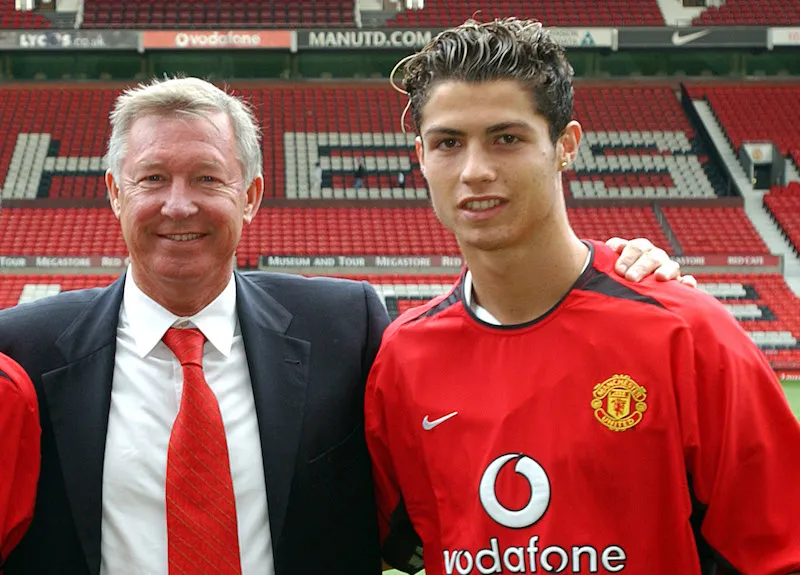
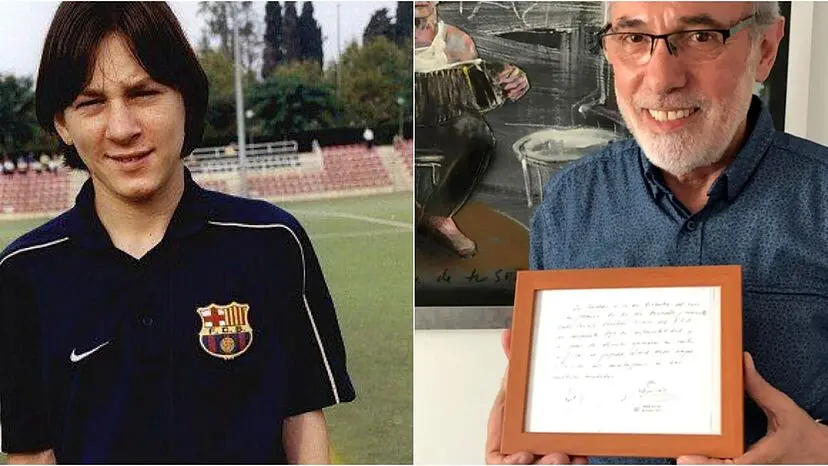
The youthful face of a young Cristiano Ronaldo and the shy demeanor of a young Messi remain vivid in our memories. Youth passes in the blink of an eye; while the years have left their mark on everyone, our passion for and pursuit of football remain steadfast. We may feel a sense of regret at the departure of these superstars, but there is no need for despondency. Young talents like Lamine Yamal have already picked up the mantle, turning the page to a new chapter. With the Champions League qualifiers just around the corner, let us look forward to the new season, new challenges, and the rise of new kings.